
Why Are DVSA Driving Test Waiting Times So Long in 2026?
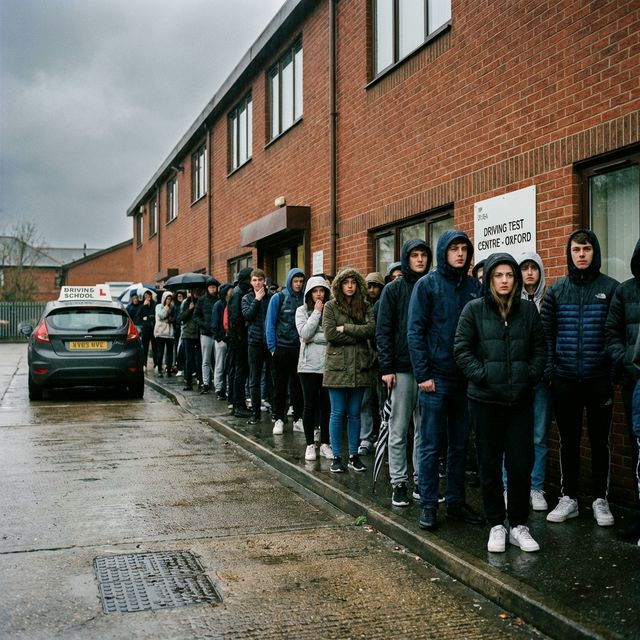
If you've recently tried to book a practical driving test in the UK, you'll know the frustration: waiting times of 5, 6, even 7+ months are now commonplace. This isn't a new problem, but it has become progressively worse. Here's everything you need to know about why the backlog exists, and, crucially, how to get around it.
The Root Cause: A Post-Pandemic Domino Effect
The current DVSA backlog traces its origins back to the COVID-19 pandemic, when all practical driving tests were suspended for extended periods throughout 2020 and 2021. During those months, hundreds of thousands of learner drivers were ready to test but couldn't, creating a pent-up demand that the system has never fully recovered from.
When tests resumed, the DVSA faced a dual challenge: a massive backlog of existing learners combined with the normal flow of new learners entering the system. Test centres simply cannot process tests fast enough to meet this volume.
Despite the DVSA hiring additional examiners and extending test centre hours, the backlog has proven stubborn. Demand consistently outstrips supply, keeping waiting times artificially high, especially in urban areas.
Why Some Areas Are Worse Than Others
Waiting times vary drastically by location. In London, Birmingham, and Manchester, waits of 6+ months are typical. In more rural areas, you might get a test within to months. This disparity is driven by population density, more learners competing for the same number of test slots.
The practical implication for learners? Being flexible on location is one of the most powerful tools you have. A learner in central London willing to travel 20 miles to an outer-zone test centre could reduce their wait by weeks, or even months.
🔍 Find Cancellations Near You, Only £18The Role of Rescheduling in the System
There's a hidden dynamic in the DVSA system that many learners don't realise: a significant portion of booked tests never actually happen. Learners reschedule for all kinds of reasons , their instructor says they need more time, they're nervous, or life simply gets in the way.
When someone rescheduled their test, that slot briefly reappears in the booking system as a cancellation. This creates a constant trickle of available slots, even when the headline waiting time looks dire. The challenge is these slots disappear within seconds, snapped up by anyone actively monitoring the system.
Instead of waiting in the queue, you can use a cancellation alert service like PassSlot to jump to the front. Our system finds these rescheduled slots the moment they appear and alerts you instantly.
Will the DVSA Backlog Get Better?
The DVSA has taken steps to address the backlog, including recruiting more examiners, extending centre hours, and trialling weekend testing. However, the reality is that demand remains very high and the backlog will likely persist throughout 2026.
If you're a learner driver in 2026, you cannot rely on the normal booking queue to get a test in a reasonable timeframe. Targeting cancellations proactively is the only realistic way to sit your test before the end of the year in many areas.
How to Beat the Backlog in 2026
-
1
Book your test as early as possible
Even if the earliest date is months away, get a booking in the system. You need it to use cancellation alert services.
-
2
Use a cancellation checker immediately
Don't wait. Set up your PassSlot alerts right away and select as many test centres as possible within a reasonable travel radius.
-
3
Be ready to act within minutes
When you receive a cancellation alert, you need to be able to log into the DVSA site and confirm the new slot immediately. Have your login details ready.
-
4
Keep your instructor in the loop
Confirm with your instructor that they can support you on short notice for an earlier date. Most instructors will prioritise this for you.
Our users find an earlier driving test slot an average of 5 weeks sooner than their original booking. One-off payment of £18. Full refund guaranteed if we can't find you a slot.